
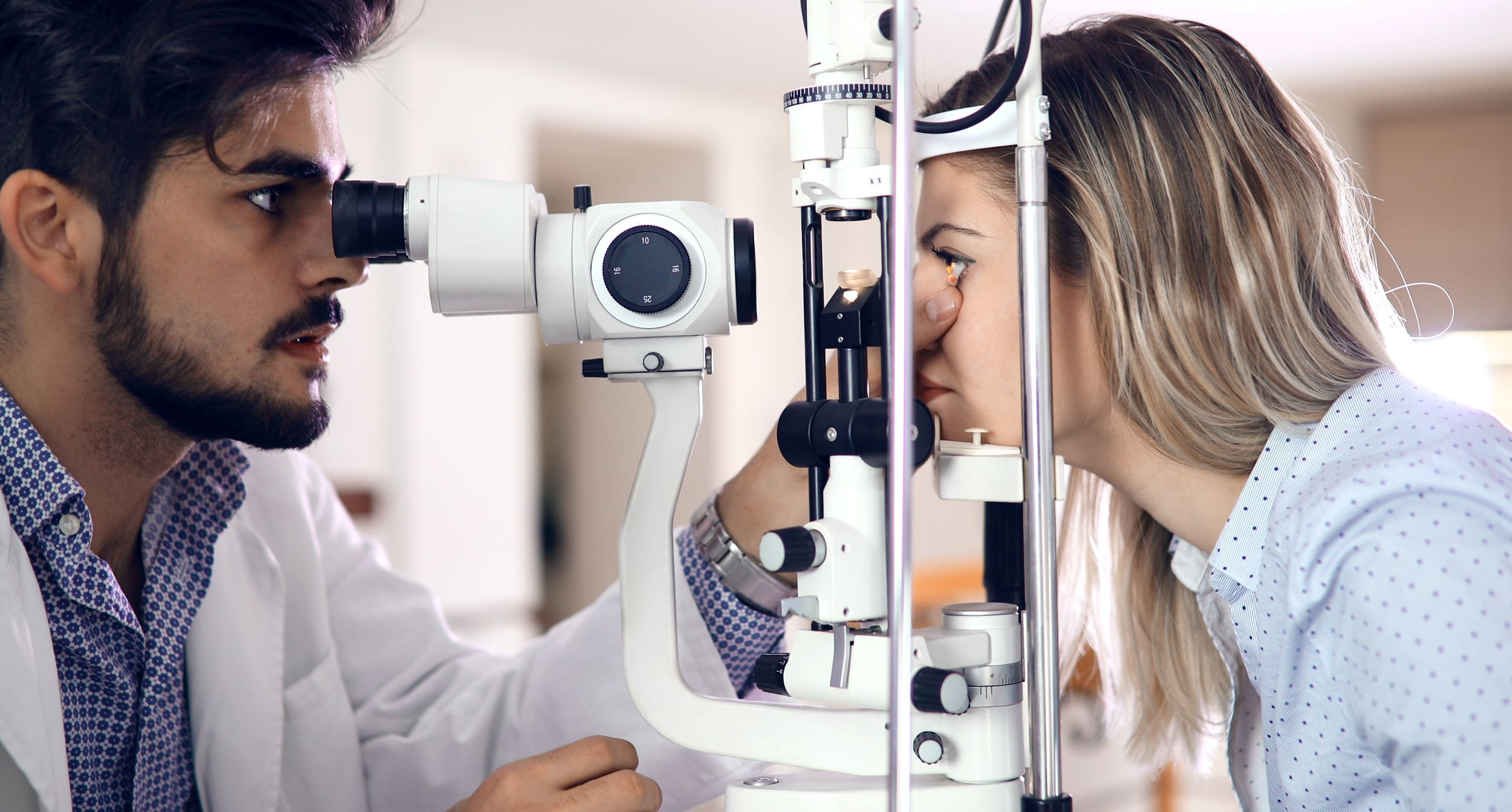
An eye exam is not always at the top of everyone’s list. But it’s extremely important to have a thorough eye exam on a regular basis. What can an eye exam reveal? Lots of things before they become advanced because your eyes are a window into the rest of your body. Often the first signs of disease are found in the eyes before it progresses. Ask your primary care doctor when and how often you should get a comprehensive eye exam.
Here are some health conditions that your physician might detect during your eye exam. Remember it doesn’t always mean you have the disease but your doctor will recommend that you are seen for further evaluation.
Thyroid disease
Often protruding eyeballs and retracting eyelids are signs of hyperthyroidism or Graves’ Disease. You may also experience dry eye, vision loss or blurry vision.
Diabetes
Diabetes may manifest as tiny blood vessels in the retina that leak yellow fluid or blood can be sign of diabetic retinopathy. Early detection can help prevent vision loss.
Lupus
This inflammatory disease can coincide with dry eyes. Lupus can also cause swelling in the white part of the eye, the middle layer of the eye or the light-sensitive tissue in the back of the eye.
Heart disease
Early signs of heart disease may be detected during an eye exam. Doctors may be able to detect microscopic marks left behind by an eye stroke. The marks can appear in the retinas of healthy people but they’re discovered in higher numbers in people with heart disease.
Aneurysm
An aneurysm is a bubble in the wall of a blood vessel. This weak wall can leak or rupture. Signs of an aneurysm can include a severe, one-sided headache or loss of facial or body function. Aneurysms can be catastrophic and require immediate medical attention.
Stroke
Blood vessels of the retina sometimes contain blockages or clots. These blockages can cause sudden blind spots or give the sense of a “curtain” closing over a person’s vision. These can point to an increased risk for stroke. A loss of side vision may also be a warning of brain damage caused by a previous stroke.
Multiple sclerosis
Multiple sclerosis is a degenerative disease that affects the nervous system. Inflammation of the optic nerve can be a sign of multiple sclerosis. Often, the inflammation happens along with severely blurred vision, painful eye movement or even double vision.
Brain tumor
An eye doctor can see swelling near the back of the eyes. The swelling causes changes to the optic nerve. It is a result of tumors that cause increased pressure in the brain. Other signs of a brain tumor include loss of side vision, recent double vision, or changes in the size of a pupil.
Rheumatoid arthritis
Signs of rheumatoid arthritis can appear as red eyes with very severe pain. Many people who suffer from rheumatoid arthritis also suffer from “dry eye.” (when your eyes don’t produce enough tears)
High blood pressure
Bleeding from blood vessels in the back of the eye can signal high blood pressure. High blood pressure is a known risk factor in the onset and/or progression of glaucoma, diabetic retinopathy, macular degeneration and other diseases.
Giant cell arteritis
Giant cell arteritis (GCA) is a lingering inflammation of medium-sized arteries that affects the arms, upper body and neck. These same arteries help nourish the eyes, and inflammation can result in blurred vision, double vision, or even sudden vision loss in one or both eyes. A dilated eye exam and blood tests for this condition can allow for an early diagnosis of GCA. Medical treatment can prevent a lifetime of blindness or even early death.
Cancers of blood, tissue or skin
Numerous cancers can be found during a detailed eye exam. Skin cancers affect the eyelids and outer surfaces of the eye. The most common types of skin cancers are basal cell, squamous cell and melanoma. Leukemia and lymphoma can also affect the interior aspect of the eye. Tumors in the breast and other areas can spread to the ocular structures. (eyes)
High cholesterol
A yellow or blue ring around the cornea may be a sign of high cholesterol, especially in a person younger than age 40. Deposits in the blood vessels of the retina can also indicate elevated cholesterol. This may be the precursor to a life-threatening stroke.
Lyme disease
Lyme disease is an infection spread by ticks, which leads to inflammation throughout the body. Many people with Lyme disease experience inflammation of the optic nerve as well as an increase in floaters at the onset of infection.
Medication toxicities
Several drugs may be toxic to the retina and the optic nerve. Symptoms of toxicity include red, scaling eyelids, red eyes, scratchy corneas or conjunctivitis.
Vascular disease
Clotting disorders and bleeding disorders may cause visible bleeding in and around the eye. These are known as subconjunctival hemorrhages. These disorders can also cause retinal hemorrhages that threaten vision.
Dry eyes and night blindness are both signs of Vitamin A deficiency. Without enough vitamin A, your eyes cannot produce enough moisture to keep them properly lubricated. Low levels of vitamin A also lead to night blindness, by preventing production of certain pigments needed for your retina to work properly. Vitamin A deficiency is the leading cause of preventable blindness in children worldwide.
Myasthenia gravis
Myasthenia gravis is an ongoing autoimmune disorder that causes muscles to weaken and tire easily. The first symptoms of this condition often involve the eyes. The most common sign of the disease is drooping eyelids in one or both eyes. Other symptoms include double vision, weakness in the arms or legs, or life-threatening problems with breathing, talking, chewing or swallowing.
Sjögren’s syndrome
This autoimmune disease causes the body’s white blood cells to attack the glands that make tears and saliva. Unsurprisingly, dry eyes are a key feature of this disease. Other symptoms include burning or stinging in the eyes, blurry vision and dry mouth
Sickle cell disease
People with sickle cell disease, a genetic blood disorder, develop stiff, comma-shaped red blood cells that can block the flow of blood throughout the body. This disease can cause a huge spectrum of ocular changes, from redness and burst blood vessels on the surface of the eye to severe hemorrhages and even retinal detachment inside the eye.
Sexually transmitted diseases
It might surprise you to know that syphilis, herpes, chlamydia, HIV, gonorrhea, genital warts and pubic lice can all affect layers of the eye. These serious conditions are often detected during an eye exam.
Sarcoidosis
This inflammatory disease affects multiple organs in the body, including the eyes. The most common eye symptom of this disease is iritis, a recurring, painful inflammation of the iris or colored part of the eye. This condition also causes severe light sensitivity.
For more information about caring for your eyes, visit the American Academy of Ophthalmology