
A lot of people wonder if they should be screened for lung cancer. If you’ve smoked during your lifetime, you might wonder if you’ll get lung cancer. Also, if your parents or other people in your home smoked around you while you were growing up, you might be worried about getting lung cancer later in life.
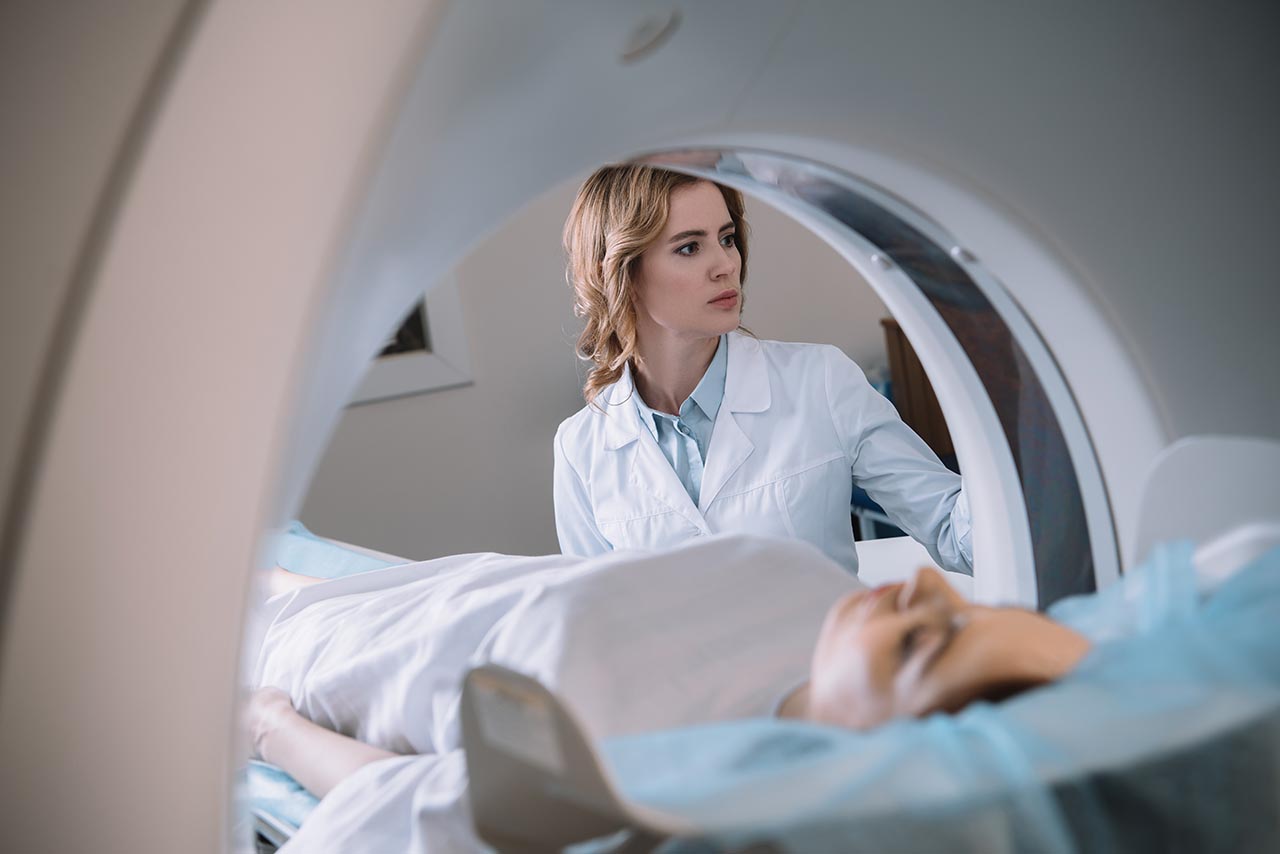
The only recommended screening test for lung cancer is low-dose computed tomography (also called a low-dose CT scan, or LDCT). During an LDCT scan, you lie on a table and an X-ray machine uses a low dose (amount) of radiation to make detailed images of your lungs. The scan only takes a few minutes and is not painful.
There are problems with screening for lung cancer, however. First of all, doctors will ask you questions and they will not automatically recommend that everyone is screened. The U.S. Preventive Services Task Force recommends yearly lung cancer screening for people who
- Have a history of heavy smoking, and
- Smoke now or have quit within the past 15 years, and
- Are between 55 and 80 years old.
A heavy smoker is someone who has a history of smoking 30 years or more and smoked a pack a day on average. It could also be someone who smoked 15 years and smoked two packs a day. Lung cancer mainly occurs in older people. Most people diagnosed with lung cancer are 65 or older; a very small number of people diagnosed are younger than 45. The average age of people when diagnosed is about 70.
Next, there is a problem with the screening:
- A lung cancer screening test can suggest that a person has lung cancer when no cancer is present. This is called a false-positive result. False-positive results can lead to follow-up tests and surgeries that are not needed and may have more risks.
- A lung cancer screening test can find cases of cancer that may never have caused a problem for the patient. This is called overdiagnosis. Overdiagnosis can lead to treatment that is not needed.
- Radiation from repeated LDCT tests can cause cancer in otherwise healthy people.
That is why lung cancer screening is recommended only for adults who are at high risk for developing the disease because of their smoking history and age, and who do not have a health problem that substantially limits their life expectancy or their ability or willingness to have lung surgery if needed.
The Task Force recommends that yearly lung cancer screening stop when the person being screened—
- Turns 81 years old, or
- Has not smoked in 15 or more years, or
- Develops a health problem that makes him or her unwilling or unable to have surgery if lung cancer is found.
Unfortunately, when smoking was very fashionable, many people grew up being constantly exposed to second-hand smoke. So you might tell your doctor about your exposure to smoking during childhood. There could have been multiple adults smoking next to you your entire childhood. Or you may have worked in a bar or restaurant with lots of smoke. Dana Reeve, wife of actor Christopher Reeve, died of lung cancer. She never smoked. Non-smokers get lung cancer as well. People with a parent, sibling, or child with lung cancer have an increased risk of the disease. Also, people who have been exposed to asbestos and other carcinogens are at risk as well as radiation therapy and radon gas exposure.
My parents smoked around me, actually in my face since I was a baby. I would love to ask a doctor if that is the same as smoking yourself for 18 years.