
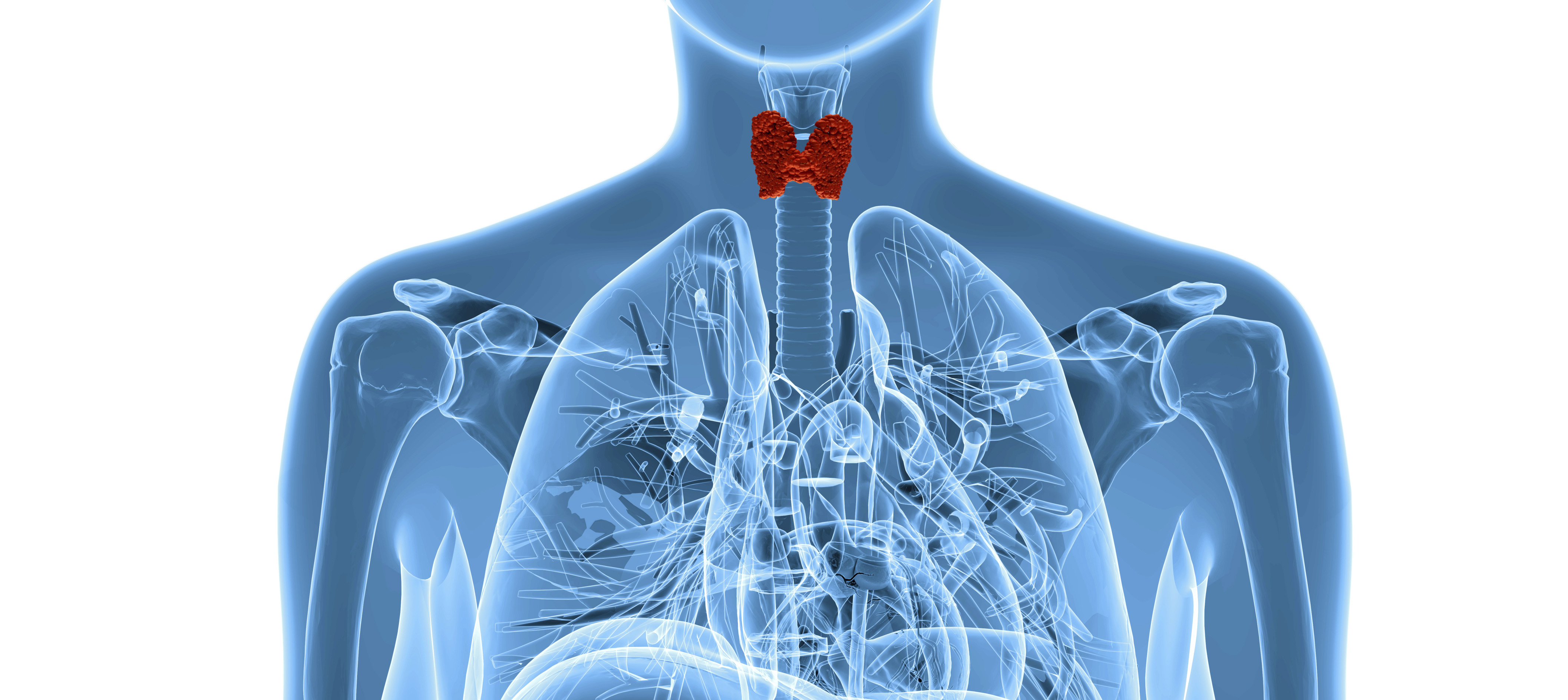
What is thyroidectomy?
The thyroid gland plays a vital function in the body. This gland produces specific hormones that circulate throughout the body.
The thyroid regulates body metabolism and temperature. This gland also supports the digestive system and heart, which helps to maintain bone health and muscle control.
Thyroidectomy is a procedure that involves the removal of the thyroid gland surgically.
Thyroidectomy has several types.
- Hemithyroidectomy:
Hemithyroidectomy includes the removal of an entire isthmus and one lobe of the thyroid gland. Surgeons mostly perform this procedure in benign diseases.
- Subtotal thyroidectomy:
Subtotal thyroidectomy involves the removal of both lobes while leaving 4 to 5 grams of thyroid tissue. This procedure is beneficial for multinodular goiter.
- Near-total thyroidectomy:
This procedure includes the removal of both lobes except for some tissues in the vicinity of the entry point of recurrent laryngeal nerve and superior parathyroid gland.
- Partial thyroidectomy:
This procedure involves the removal of the thyroid portion in front of the trachea.
- Total thyroidectomy:
Total thyroidectomy involves the removal of the entire thyroid gland and the thyroid tissue. This procedure is appropriate when inflammation, swelling, and nodules affect the thyroid gland.
Indications of thyroidectomy:
There are several indications for thyroidectomy.
- Thyroid cancer is the most common indication for thyroidectomy.
- Beyond cancer and malignancies, a thyroidectomy is a treatment option for patients suffering from symptomatic thyroid masses and goiters.
- Patients who are suffering from dysphagia, shortness of breath, hoarseness, and dyspnea may also require thyroidectomy.
- Other aesthetic concerns associated with goiter may require this surgical removal as well.
- Other indications for thyroidectomy include hyperthyroidism and Graves disease.
Contraindications:
Contraindications of thyroidectomy include:
- Severe or uncontrolled hyperthyroidism is a relative contraindication. It is due to its concerns for post-op or intraoperative thyroid storm.
- Although we can perform thyroidectomy during pregnancy and it will be beneficial to avoid thyroidectomy. The use of anesthesia for performing surgery during pregnancy can cause secondary risks to the developing fetus.
- If a patient requires elective surgery during pregnancy, then it should be performed during the second trimester of the pregnancy.
The procedure of the surgery:
Surgeons perform this surgery in OT. The patient mustn’t eat or drink anything before surgery or after midnight of the surgery day.
Pre-op preparations include a detailed examination of the vitals and other factors.
Anesthesiologists inject the anesthesia to begin the procedure. The surgeon usually makes an incision over your thyroid gland and removes the part of the thyroid. This procedure may take more than two hours because several smalls glands and nerves surround the thyroid gland.
When the surgery stops, the patient wakes up from anesthesia and recovers inside the hospital. Your physician will monitor your vitals and administer the pain killers to combat incisional pain. Once you achieve a stable condition, your doctor can discharge you from the hospital after one to two days of post-op care and observation.
Another type of thyroidectomy is known as a robotic thyroidectomy. This procedure involves the removal of the thyroid gland through transoral (through the mouth) or axillary incision (through the armpit).
Post-op care:
Mostly, you will be able to carry out your normal activities a day after surgery. However, your doctor can advise you not to carry out strenuous activities for ten days after surgery.
Soreness of the throat can persist for several days post-op. In order to relieve the soreness, your doctor may prescribe different medications like acetaminophen and ibuprofen. If these medicines are not working, then the physician can prescribe different narcotic pain medicines.
After the thyroidectomy, there are chances for you to develop hyperthyroidism. Your doctor will prescribe levothyroxine to balance the level of the hormones.
Risks of the surgery:
Surgeons perform thyroidectomy under general anesthesia. Therefore, it can have some risk factors or complications.
The most common risk factors for this surgery are infection or heavy bleeding.
Specific risks for thyroid surgery are:
- Risk of damage to the nerves which connect to your vocal cords known as recurrent laryngeal nerve
- Risk of damage to glands that control the calcium level in our body known as parathyroid glands
Hypocalcemia (low calcium levels) is treatable with supplementation. We should start the treatment as soon as possible. Do notify your physician if you feel muscle twitching or jittery movements in the body. These involuntary movements are the initial signs of low body calcium levels.
A few patients may suffer from calcium deficiency or hypocalcemia, while 75% of patients successfully recover from this disorder within one year. A good post-op prognosis depends upon body care and avoidance of strenuous activities.