
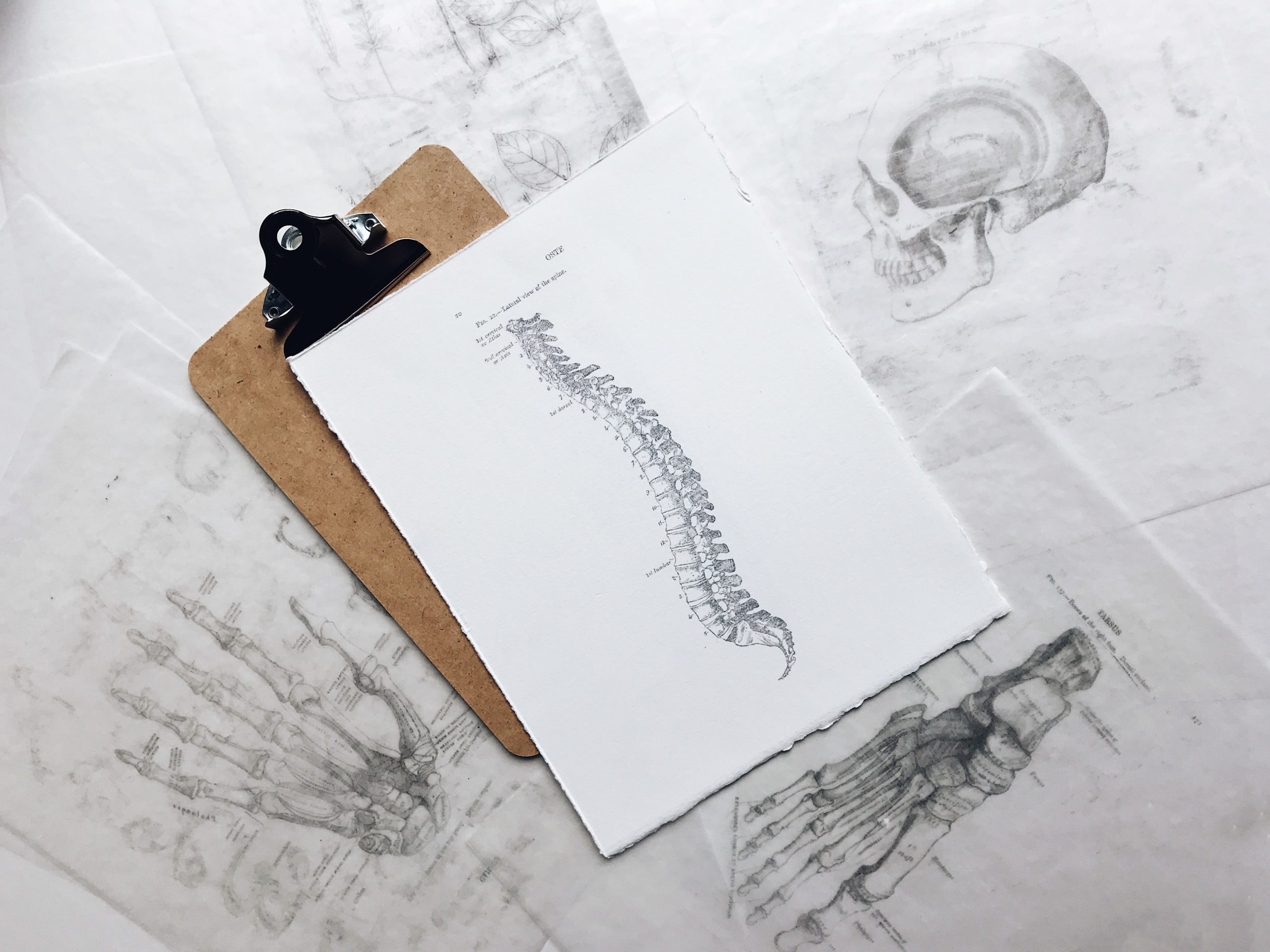
One area of strong interest continues to be in the repair of the brain and spinal cord for so many who have suffered from degeneration as well as accidents. Most of us remember Christopher Reeve’s spinal injury after a horseback riding accident. He and his wife established the Christopher and Dana Reeve Foundation. (christopherreeve.org). The organization hopes to rapidly change the quality of life for those living with spinal cord injury.
At the MRC Laboratory of Molecular Biology in Cambridge, UK there has been a lot of promising news about a drug that appears to repair damage to the brain and spinal cord. Dr. Radu Aricescu is a neuroscientist at the MRC Laboratory of Molecular Biology and he has discussed the creation of a compound called CPTX. CPTX is a lab-made Cerebellin-1/pentraxin-1 hybrid. It mimics a natural protein known as Cerebellin-1 that links neurons that send signals with those that receive them. It restores function in three different models of neurodegeneration.
Dr. Radu and his colleagues performed studies on mice with “striking results” according to the researchers. While the results in humans may be far off, it is encouraging to see the research that is being done around the world. The study was an international collaboration led by Alexander Dityatev, German Center for Neurodegenerative Disease, Magdeburg; Radu Aricescu, University of Oxford, England; and Michisuke Yuzaki, Keio University, Tokyo.
Dr. Aricescu says that damage in the brain or spinal cord often involves loss of neuronal connections in the first instance, which eventually leads to the death of neuronal cells. Prior to neuronal death, there is a window of opportunity when this process could be reversed in principle.
In the early stages of Alzheimer’s and other neurodegenerative disorders, synapses—or brain connections—are lost. This eventually causes neurons to die. The same happens with spinal cord damage, which interrupts the constant stream of electrical signals from the brain to the body. It can lead to paralysis below an injury.
According to Dr. Aricescu, normal human aging as well as the majority of psychiatric and neurological disorders, from mental retardation and autism to Alzheimer’s disease and addiction, are caused by errors in synaptic signaling and reduction in synapse numbers. The aim is to use structural information to devise molecular tools that can help repair damaged synapses and restore their physiological function.
For more information, contact:
MRC Laboratory of Molecular Biology, Francis Crick Avenue, Cambridge Biomedical Campus, Cambridge CB2 0QH, UK