
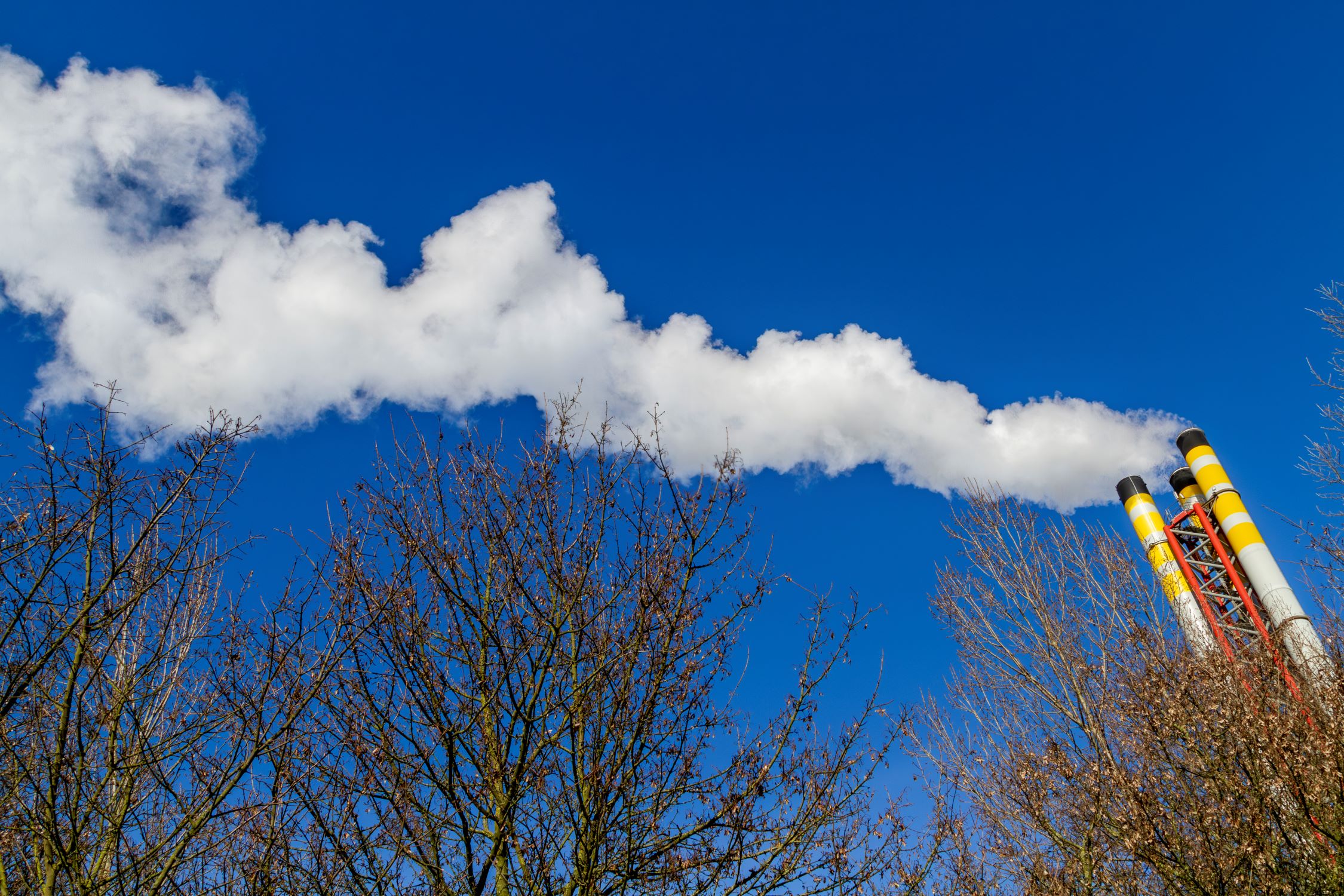
The Endocrine Society recently presented a study indicating that exposure to dioxins can negatively impact thyroid function. If you are not familiar with dioxins, the Endocrine Society describes dioxins as follows:
Dioxins are highly toxic compounds that are primarily produced by industrial processes, and their persistence in the environment makes them a significant public health concern. They are produced through a variety of incineration processes, including improper municipal waste incineration and burning of trash. They can be released into the air during natural processes, such as forest fires and volcanoes. Strict regulatory controls on major industrial sources of dioxin have greatly reduced emissions into the air.
Today people are exposed to dioxins primarily by eating food, in particular animal products, contaminated by these chemicals. Dioxins are absorbed and stored in fat tissue and, therefore, accumulate in the food chain. More than 90 percent of human exposure is through food, according to the National Institute of Environmental Health Sciences.
The researchers used three different statistical methods to investigate the combined effects of 20 environmental dioxins on thyroid function. They used data from the National Health and Nutritional Examination Survey (NHANES) from 2007 to 2010.
A total of 20 dioxins and levels of thyroid stimulating hormone (TSH) were measured in the blood of 2,818 adults. The researchers found that dioxins were significantly associated with high TSH. A high TSH level indicates that the thyroid gland is not making enough thyroid hormone.
Cheng Han, M.D.,of the Boston University School of Medicine says that more research is needed; however, Dr. Han says that efforts to reduce exposure to dioxins and other toxic chemicals could help to reduce the risk of thyroid dysfunction and improve public health outcomes.
For more information visit: